

Centrifugal Pumps for Chemical Processing: Applications & Selection Guide
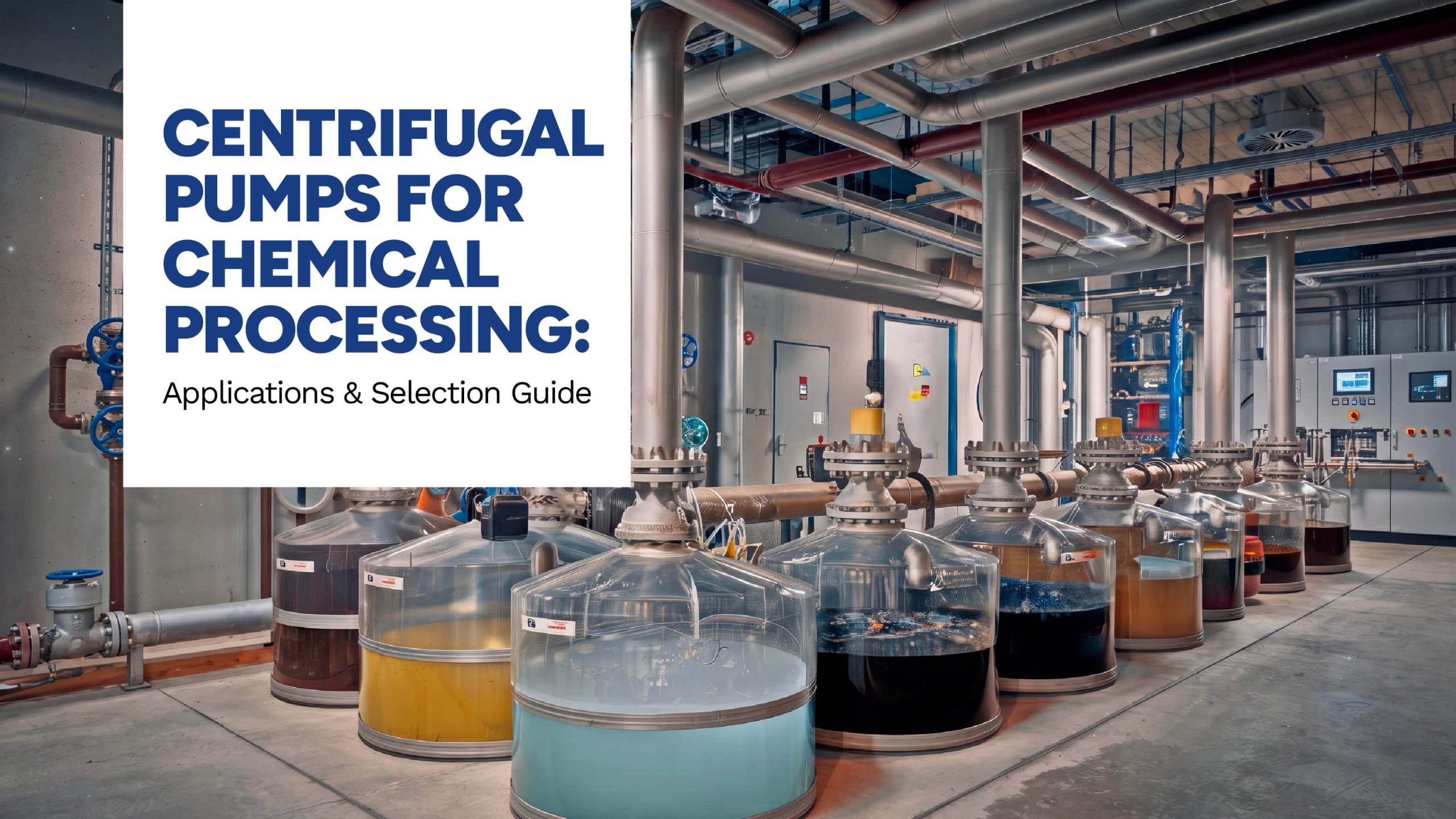
A centrifugal pump handling cooling water and one handling concentrated acid may appear similar, but their material, sealing and design requirements can be significantly different. Chemical processing places significantly different demands on a pump than conventional water-transfer applications, corrosive fluids, temperature swings, hazardous leakage risk and that’s precisely why selection matters more here than almost anywhere else in a plant.
Serious centrifugal pump manufacturers in India get asked these kinds of details all the time, and this is why plants tend to stick with centrifugal pump suppliers in India that actually understand chemical duty instead of treating every pump order the same way.
Why Chemical Duty Requires Application-Specific Pump Selection
A pump handling clean water has very different material and sealing requirements from one handling caustic soda, sulphuric acid or solvents, even when the required flow rate is similar. An incompatible material can undergo accelerated corrosion and lead to premature component failure. Vapour pressure, temperature and available suction conditions all influence the available margin against cavitation. For hazardous fluids, seal leakage is not only a maintenance concern but can also create significant safety and environmental risks.
This is why chemical plants generally build to ANSI/ASME B73.1 for lighter, non-hazardous or moderately hazardous services, while the heavier end of petrochemical and refinery work moves up to the more demanding API 610 standard.
Where Centrifugal Pumps Actually Show Up in a Chemical Plant
- Acid and caustic transfer between storage tanks and process units
- Reactor feed lines, where consistent flow is required throughout the reaction cycle
- Cooling-water circuits used to control temperature during exothermic reactions
- Effluent and wastewater transfer before treatment
- General tank farm transfer between storage and loading
Each of these puts a different demand on the pump, and treating them all the same is usually where problems start.
Material Compatibility and Seal Selection
Material compatibility and seal selection are critical to achieving reliable pump performance and avoiding premature component failure.
- Match the wetted parts to the fluid’s corrosivity, stainless steel handles a lot but some acids need higher alloys or lined casings.
- Evaluate vapour pressure and temperature together, as both influence suction conditions and the available margin against cavitation.
- Select a seal flush plan suited to the hazard level, a simple single seal is fine for benign fluids, but hazardous or volatile chemicals usually call for a dual seal arrangement.
- Confirm that the pump’s pressure and temperature ratings accommodate the maximum expected operating conditions rather than only the normal operating point.
Overlooking these parameters can result in premature wear, leakage or failure once the pump is exposed to actual process conditions.
ANSI B73.1 vs API 610: Quick Comparison
| Typical use | Chemical plants, water utility, light-to-moderate hazard | Petroleum, petrochemical, refinery service |
| Construction | Lighter, foot-mounted | Heavier wall thickness, larger shafts |
| Seal requirements | Simpler cartridge or component seals | API 682 mechanical seals with standardised flush plans |
| Temperature and pressure range | Moderate | Higher, built for extreme thermal and mechanical stress |
| Typical service life expectation | Standard industrial duty | Minimum three years uninterrupted between overhauls |
According to a technical guide from Projectmaterials, API 610 is the default centrifugal pump specification for oil and gas work, while ANSI/ASME B73.1 is what you’ll more often see specified on chemical plant projects, since most chemical duty doesn’t need the extreme thermal and mechanical stress rating that refinery service demands.
Making the distinction at the specification stage helps avoid both unnecessary over-specification and selecting a pump that is inadequate for the required duty.
Where Mackwell Pumps Fits In
We offer centrifugal pump configurations for a range of chemical-processing requirements, based on the specific operating conditions and process duty.
FLOWELL Centrifugal Pump
- Built to ISO 2858 and EN 22858 standards
- Flow up to 1,500 m³/hour, head up to 160 metres
- Working temperature range from -50°C to 200°C
- Suitable for general chemical-transfer and circulation applications across a wide operating-temperature range.
MACKPRO Centrifugal Pump
- Built to ANSI/ASME B73.1 standards, making it suitable for a wide range of chemical-process applications.
- Flow up to 1,590 m³/hour, head up to 223 metres
- Temperatures up to 260°C
- Suitable for demanding chemical-transfer applications, higher-pressure duties and challenging process conditions.
Both pumps can be configured with wetted-part materials selected to address the corrosion and wear characteristics of the process fluid.
Common Pump Selection Mistakes in Chemical Processing
- Selecting a pump based on flow rate alone, without evaluating material compatibility with the process fluid
- Failing to evaluate NPSH available against NPSH required, particularly for volatile or high-temperature fluids
- Using a single seal on a fluid that genuinely needed a dual seal arrangement
- Assuming that a pump suitable for one chemical will perform similarly with another can lead to incorrect selection, as concentration and temperature can significantly affect material compatibility and operating requirements.
Choosing the Right Supplier for Chemical Duty
For chemical-processing applications, pump selection should be based on process requirements rather than initial purchase price alone. This is exactly where the gap between average centrifugal pump suppliers in India and ones who actually ask about your fluid, concentration, and operating temperature before quoting becomes obvious, usually the hard way if you pick wrong.
At Mackwell Pumps, we’re among the centrifugal pump manufacturers in India that walk through material compatibility and seal selection with you before recommending a pump, rather than just matching a flow and head number on a spec sheet.
Conclusion
Centrifugal pumps are widely used across chemical-processing applications because they offer efficient fluid transfer across a broad range of flow requirements, materials and configurations.
Reliable chemical-processing performance depends on treating material compatibility, seal selection and applicable standards as integral parts of pump selection rather than secondary considerations after flow requirements have been established.
FAQs
- What’s the difference between ANSI B73.1 and API 610 pumps for chemical service?
ANSI/ASME B73.1 generally applies to process pumps used across a range of chemical and industrial services, while API 610 is intended for more demanding petroleum, petrochemical and refinery applications.
- How do I know if I need a dual mechanical seal?
If the fluid is hazardous, volatile, or if leakage carries any safety risk, a dual seal arrangement is usually the safer specification over a simple single seal.
- Does stainless steel handle all chemical processing fluids?
No. Stainless steel is suitable for a wide range of chemical applications, but certain acids and aggressive chemicals may require higher-alloy materials or lined casings to minimise corrosion.
- Which Mackwell pump is better suited to chemical plant duty?
MACKPRO is built to ANSI/ASME B73.1 and is suited to a range of demanding chemical-transfer applications. The appropriate pump configuration should be selected based on the fluid, flow, head, temperature, pressure, material compatibility and sealing requirements.
Insights about
your industry
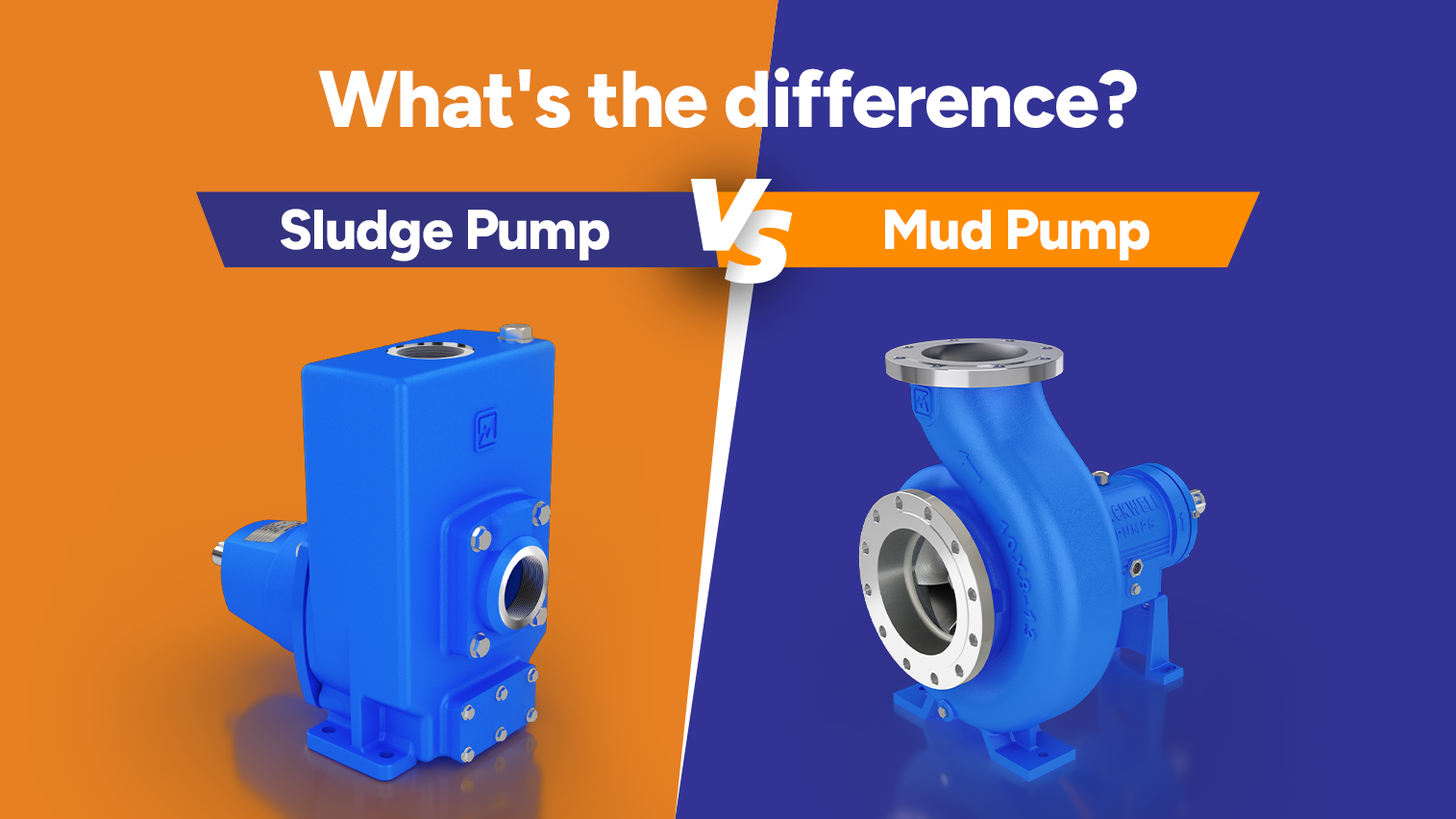
Sludge Pump vs. Mud Pump: What’s the Difference?