

What is a Centrifugal Pump? Working, Types, and Advantages Explained
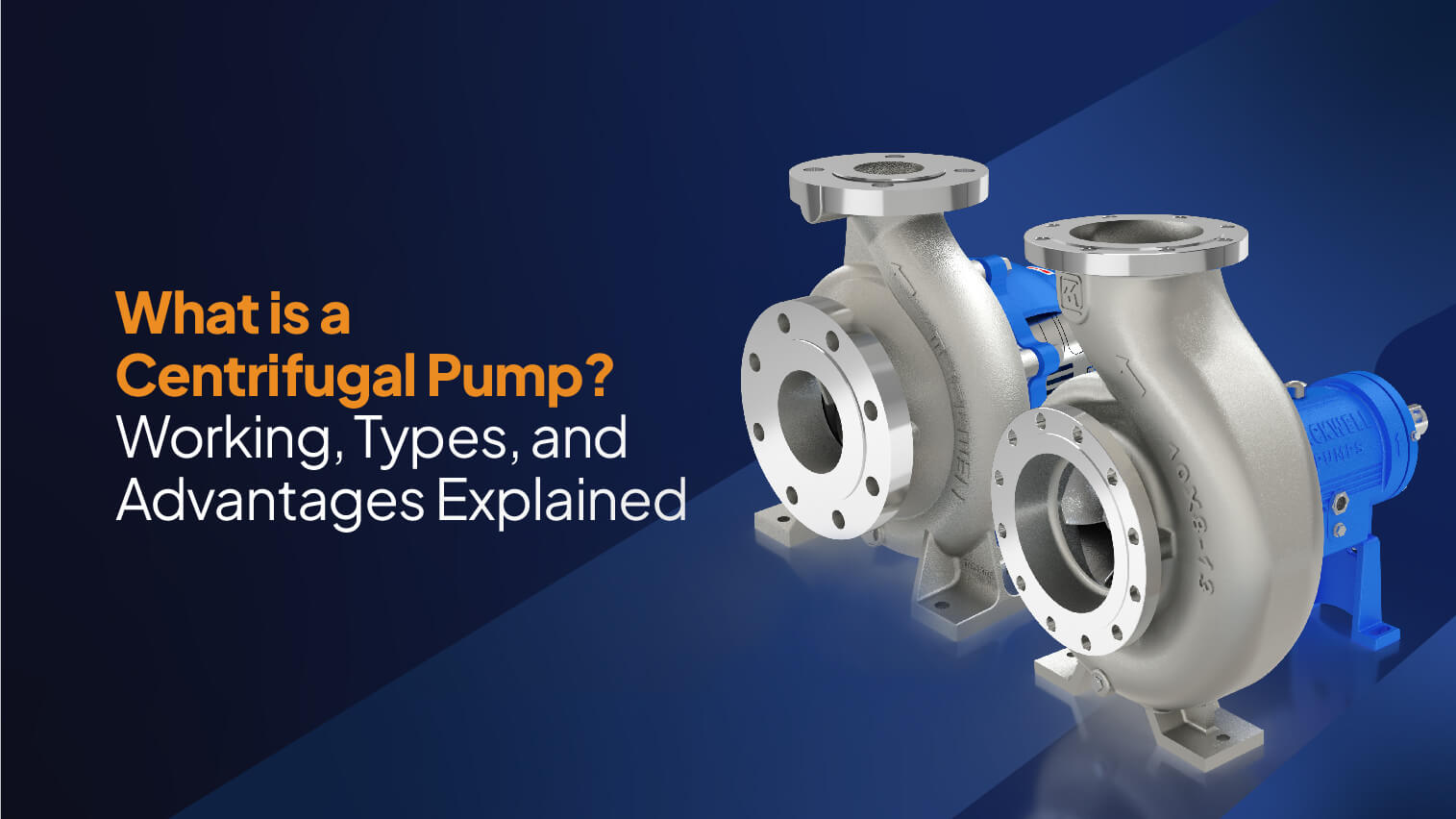
If you have ever transferred water, chemicals, or process fluids, you must have used a centrifugal pump already. This article will help you understand what a centrifugal pump is, its working principle, its application and the reason why industries use this equipment daily.
Mackwell Pumps specialises in the development of highly efficient, ultra-quiet centrifugal pumps that help to keep critical operational systems up and running.
What is a Centrifugal Pump?
A centrifugal pump is a piece of equipment that moves the liquid using a rotating mechanism. It is a device that converts the mechanical energy generated by a motor into the energy of the fluid being flown. The moving part of the pump forms the force that drives the liquid outwards. That outward motion builds pressure and flow. This basic idea powers everything from water supply to refinery processes.
According to the U.S. Department of Energy, centrifugal pumps account for nearly 70 per cent of pumps used in industrial applications worldwide. This explains why efficiency and design quality matter so much. Even a water pump centrifugal system at a small plant works on the same principle.
Explore Industrial Centrifugal Pumps
Centrifugal Pump Working Principle Explained
The centrifugal pump working principle is easy to understand when broken into steps.
- The liquid is introduced into the pump at the centre point
- The impeller spins at a very high rate
- The centrifugal force propels the liquid outward
- The pressure energy goes up as the fluid is released
The operation is so efficient that the pump gives a constant flow without fluctuation. For this very reason, centrifugal pumps are generally used for continuous production.
Key Parts That Make It Work
Centrifugal pumps may differ in appearance, but they share a basic core set of parts that enable the pump to function.
- An impeller that imparts motion energy to the fluid
- A casing that contains the fluid and directs its path
- The shaft that transmits the power from the motor to the impeller
- Seals and bearings that make the operation safe by keeping the shaft from leaking and maintaining the desired clearance
Our FLOWELL and MACKPRO pumps are built with the most precise and professional parts, not only lessening the wear and tear of components but also the vibration.
Types of Centrifugal Pump You Should Know
1) Horizontal Centrifugal Pumps
These pumps, being simple and easy to handle, are very popular in the industry. FLOWELL is a robust example built to meet ISO 2858 specifications.
2) End Suction Pumps
These feature a simple design with the intake placed at one end and the discharge at the top. They fit well with the general process plant systems.
3) ANSI Process Pumps
Designed for harsh fluids and safety compliance. MACKPRO meets ANSI ASME B73.1 specifications for chemical applications.
4) Open and Closed Impeller Pumps
Open impellers handle slightly contaminated fluids. Closed impellers offer higher efficiency for clean liquids.
Uses of Centrifugal Pump Across Industries
The uses of centrifugal pumps cover nearly every industrial sector.
- Chemical and petrochemical plants
- Refineries and fuel handling systems
- Water supply and treatment units
- Process industries handling toxic liquids
FLOWELL supports clean and slightly contaminated fluids. MACKPRO is built for harsh and flammable media.
Application of Centrifugal Pump in Industry
The application of a centrifugal pump in industry depends on reliability. When systems run 24 hours a day, pump failure is not an option. Industries utilise centrifugal pumps for the following:
- Transport chemicals
- Process fluid circulation
- Cooling and heating loops
- Safe handling of hazardous liquids
We have designed our pumps to fulfil the requirements without complicated operation.
Looking for Reliable Centrifugal Pumps?
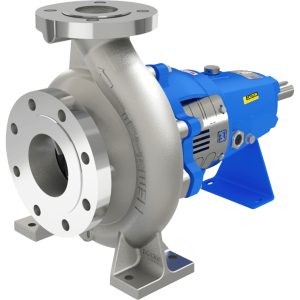
Why FLOWELL Centrifugal Pump Fits General Industry
FLOWELL was made with versatility in mind. It can easily work with clean and slightly contaminated liquids. Key highlights include:
- Capacity up to 1500 cubic meters per hour
- Head up to 160 meters
- Operating temperature from minus 50 to plus 200 degrees
- ISO compliant design
- FLOWELL suits refineries, chemical plants and utility systems.
You can explore FLOWELL specifications here!
Why MACKPRO is Built for Tough Applications
MACKPRO is designed for environments where safety matters most. It exceeds ANSI ASME B73.1 requirements. Its strengths include:
- Capacity up to 1590 cubic meters per hour
- Head up to 223 meters
- Temperature handling up to 260 degrees
- Open impeller options for solids tolerance
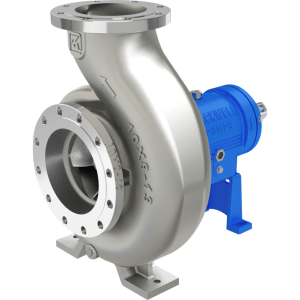
MACKPRO performs reliably in toxic and flammable fluid handling. Learn more about MACKPRO here!
Final Thoughts
Centrifugal pumps remain the backbone of fluid movement in industry. From simple water transfer to handling dangerous chemicals, they deliver dependable performance.
At Mackwell Pumps, our FLOWELL and MACKPRO ranges are built to meet real industrial challenges.
FAQs
1) What is a centrifugal pump used for?
The centrifugal pump is used to move liquids in water supply, chemical processing and industrial systems.
2) Which centrifugal pump is best for chemical plants?
ANSI-compliant pumps such as MACKPRO are perfect for chemical and hazardous fluids.
3) Are centrifugal pumps suitable for continuous operation?
Yes, they are widely used in systems that run nonstop due to their smooth flow design.
Insights about
your industry