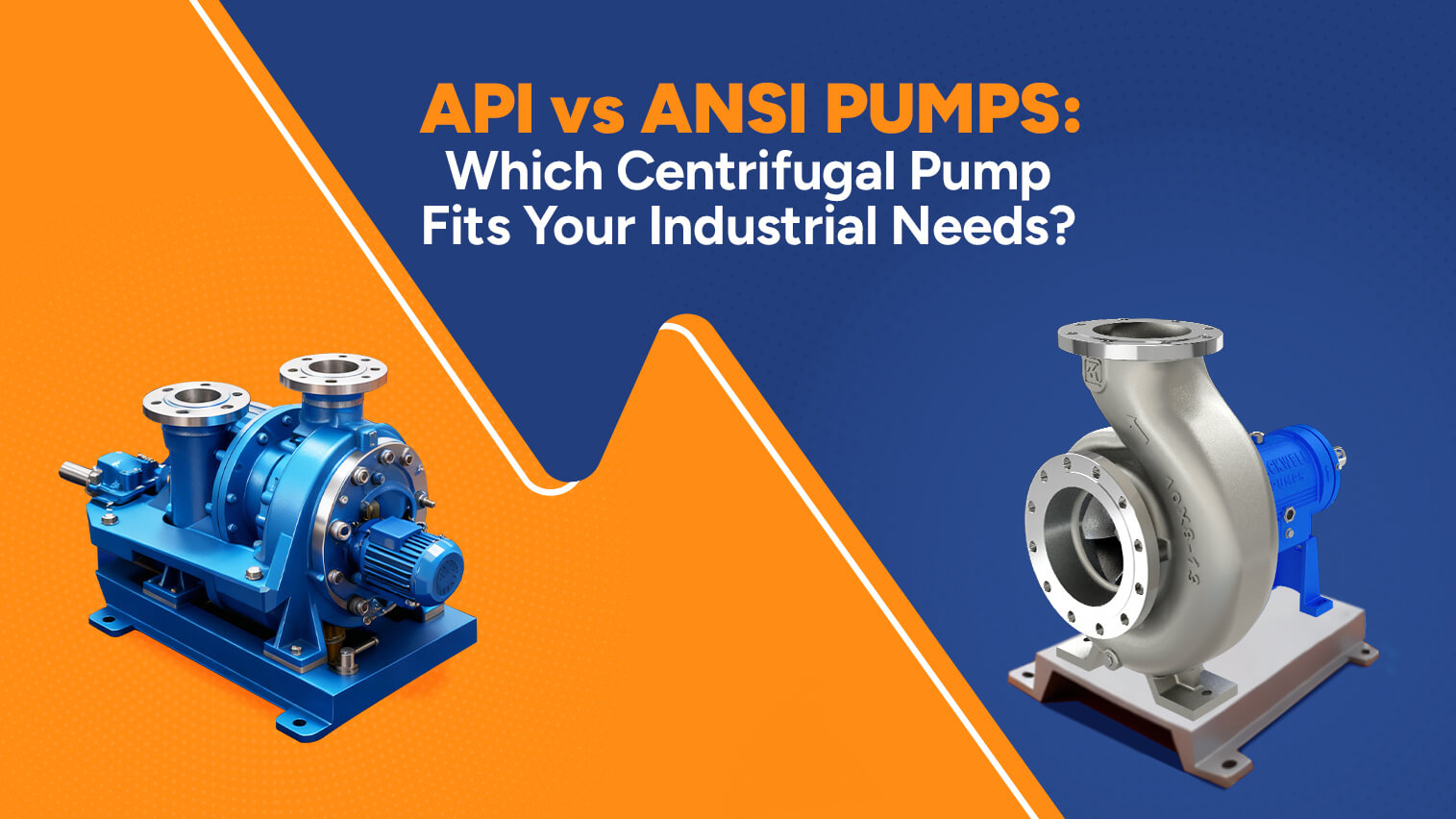


Centrifugal Pump vs Screw Pump: Which One Should You Choose?
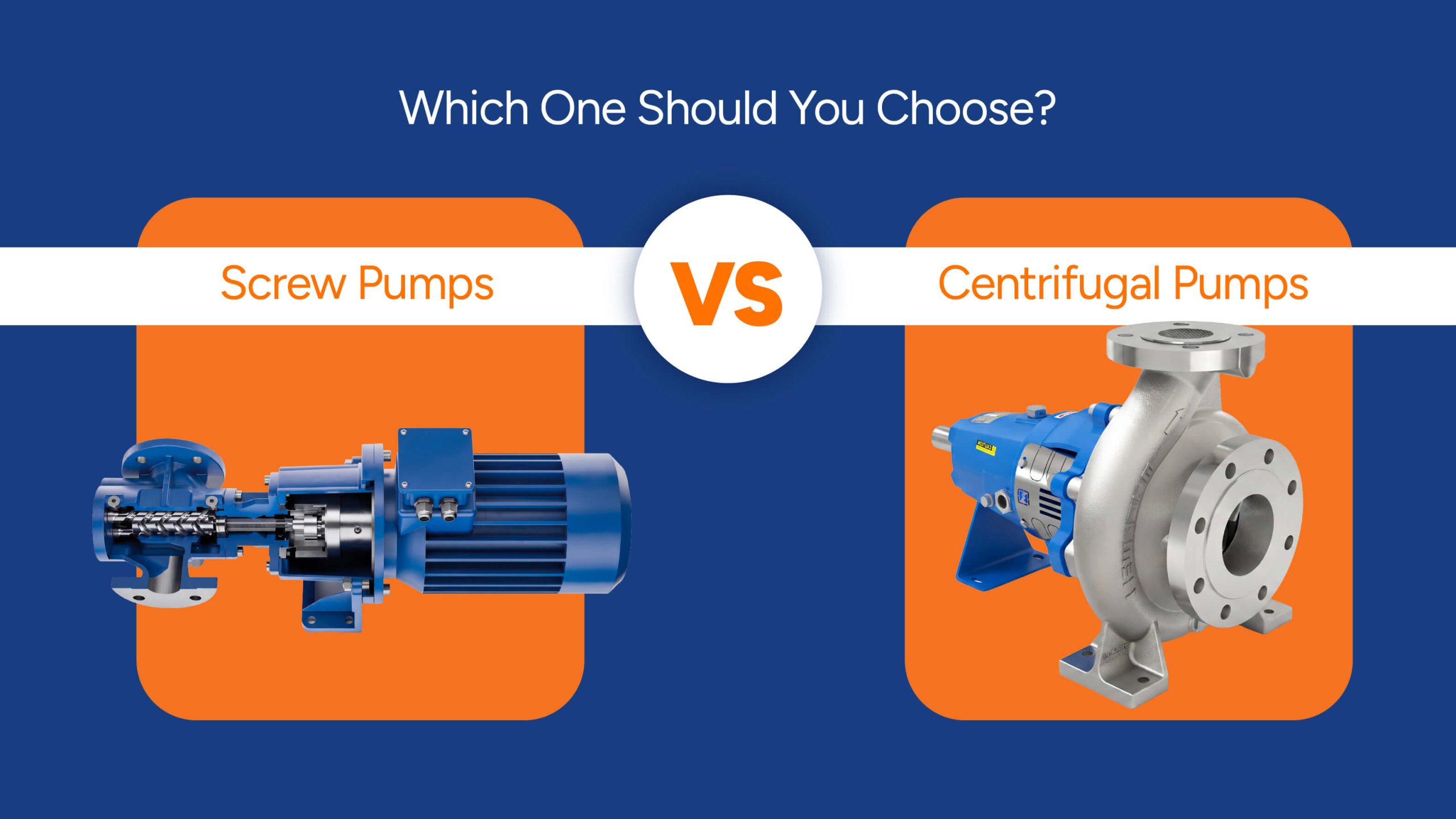
For low-viscosity fluids such as water, centrifugal pumps are generally well suited to high-flow transfer applications. As fluid viscosity increases, particularly in applications involving oil, syrup or sludge, pump selection becomes more dependent on the fluid’s rheological properties and the required flow characteristics. The choice depends primarily on fluid viscosity, required flow and pressure, shear sensitivity, solids content, temperature and the consistency of flow required.
That single factor is why plants calling up centrifugal pump manufacturers in India often end up asking about screw pumps in the same breath. The expertise of the pump supplier is equally important, particularly when pump selection depends on specific fluid and operating conditions.
Why Pump Selection Often Defaults to the Existing Setup
Here’s the part nobody says out loud: most facilities don’t run a proper comparison before buying a pump. In such cases, the existing pump type, maintenance familiarity and previous supplier specifications can influence the decision, even when process conditions have changed.
This approach may work until the process conditions change; for example, when product viscosity increases, additives are introduced or the required flow characteristics change. Under these changed conditions, the existing pump may operate less efficiently, resulting in higher energy consumption or accelerated component wear.
Viscosity: A Key Factor in Pump Selection
Viscosity is one of the key parameters influencing the selection between centrifugal and screw pumps. It is commonly expressed in centipoise (cP). Water has a viscosity of approximately 1 cP. Once you’re above that, the numbers tell you almost everything:
- Under 200 cP: a centrifugal pump can be well suited to many applications, subject to the required flow, head and fluid characteristics.
- Approximately 200 to 1,000 cP: centrifugal still works, but increasing viscosity can reduce pump performance and efficiency; application-specific evaluation is recommended.
- Above 1,000 cP: a screw pump usually takes over here, particularly where higher viscosity and consistent flow are important. The final selection should be based on the complete application duty.
- Anything shear-sensitive, regardless of viscosity: screw pump, since the impeller in a centrifugal design can damage the product
That limit exists because of the physical way the two pumps move fluid. A centrifugal pump uses a rotating impeller to throw liquid outwards, converting velocity into pressure. Its performance depends on the fluid properties, pump operating point and system conditions. A screw pump uses rotating screws to transport defined volumes of fluid from the suction side to the discharge side, making it well suited to viscous fluids and applications requiring consistent flow.
Where This Actually Plays Out on the Ground
- Water treatment and general transfer: centrifugal, particularly where high flow rates and relatively low-viscosity fluids are involved.
- Chemical batch processing: screw pumps may be suitable when viscosity increases during the process and consistent flow needs to be maintained.
- Food and syrup transfer: screw pumps may be preferred for higher-viscosity or shear-sensitive products where controlled, low-shear transfer is required.
- Oil and gas transfer: screw pumps can be suitable for applications involving varying viscosity, provided the pump is selected for the required operating range.
- Cooling and circulation loops: centrifugal pumps are commonly used where the fluid remains relatively low in viscosity and continuous circulation is required.
5-Year Cost Picture
| Upfront purchase cost | Lower | Higher, often 30 to 50 percent more |
| Energy cost on thin fluids | Low | Slightly higher, rarely the better choice here |
| Energy cost on thick fluids | Climbs sharply | Stays flat, often the cheaper option long-term |
| Maintenance frequency | Lower, fewer wear parts | Higher, tighter tolerances need more attention |
| Downtime risk on the wrong fluid | High if misapplied | Low, but only if it was the right choice to begin with |
The upfront number rarely tells the full story. A screw pump costing more on day one can still come out cheaper across five years if it’s saving you from cavitation, wasted energy, or an impeller that needs replacing every few months on a fluid it was never suited to.
The Misconception Worth Correcting
A common misconception is that screw pumps are automatically suitable for any fluid containing solids. Pump selection still needs to account for the type, concentration and abrasiveness of those solids.
Screw pumps handle viscosity and shear-sensitivity brilliantly, but hard, abrasive particles, sand, grit, and certain mineral slurries can still wear down the close-tolerance screws faster than expected. The decision isn’t purely centrifugal versus screw; it’s matching the specific fluid, not just its thickness, to the pump built for it.
Where Mackwell Pumps Fits In
Mackwell focuses on centrifugal pumping solutions for high-volume transfer and general industrial duties where centrifugal technology is well suited to the application.
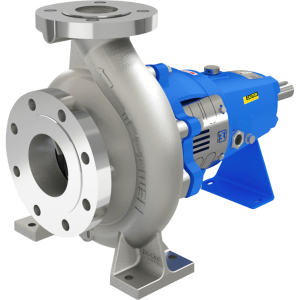
- Built to ISO 2858 and EN 22858 standards
- Flow up to 1,500 m³/hour, head up to 160 meters
- Working temperature range from -50°C to 200°C
- Suited to general transfer and circulation duty across a wide temperature band
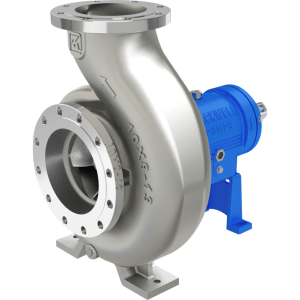
- Built to ANSI/ASME B73.1 standards for tougher duty
- Flow up to 1,590 m³/hour, head up to 223 metres
- Temperatures up to 260°C
- Better fit once pressure demands rise or the fluid runs hotter
Both models are available with abrasion-resistant wetted components, which can be beneficial when handling fluids containing suspended solids.
Choosing the Right Pump for Your Line
For relatively low-viscosity fluids where high-volume transfer and efficient operation are priorities, a centrifugal pump from an experienced manufacturer can provide an efficient solution without unnecessary system complexity.
This is exactly where the difference between good centrifugal pump suppliers in India and average ones shows up fastest, since a supplier who evaluates fluid properties, pressure, temperature and operating conditions alongside flow requirements can help reduce the risk of an unsuitable pump selection.
At Mackwell Pumps, we’re among the centrifugal pump manufacturers in India that walk through your actual fluid properties, pressure, and temperature requirements before recommending anything, rather than just matching a number on a spec sheet.
Conclusion
Centrifugal and screw pumps serve different process requirements, with each offering advantages across different fluid and operating conditions.
Pump-selection issues often arise when equipment is selected based on established practice rather than current fluid and operating conditions. This can happen when changes in fluid properties or process conditions are not reassessed before pump selection. Viscosity is measured, the product is checked for shear sensitivity and usually the right answer is found quite quickly.
FAQs
- Is a screw pump always better for thick fluids than a centrifugal pump?
Generally yes, once viscosity climbs past a few hundred centipoise a screw pump maintains flow and efficiency where a centrifugal pump would lose both.
- Why do screw pumps cost more upfront than centrifugal pumps?
Screw pumps generally have higher initial costs because of their construction and close internal clearances. However, lifecycle cost depends on the fluid properties, operating conditions, energy consumption and maintenance requirements.
- Can a centrifugal pump handle any high-viscosity fluid at all?
It can, depending on the fluid and operating conditions. However, increasing viscosity can reduce centrifugal-pump performance and efficiency, making alternative pump technologies more suitable for some high-viscosity applications.
- Which Mackwell pump suits higher-pressure centrifugal duty?
MACKPRO is suited to centrifugal applications requiring higher head rated up to 260°C and elevated operating temperatures, subject to the actual fluid properties and system requirements.
Insights about
your industry