Top Thermic Fluid Pump Problems and How to Fix Them
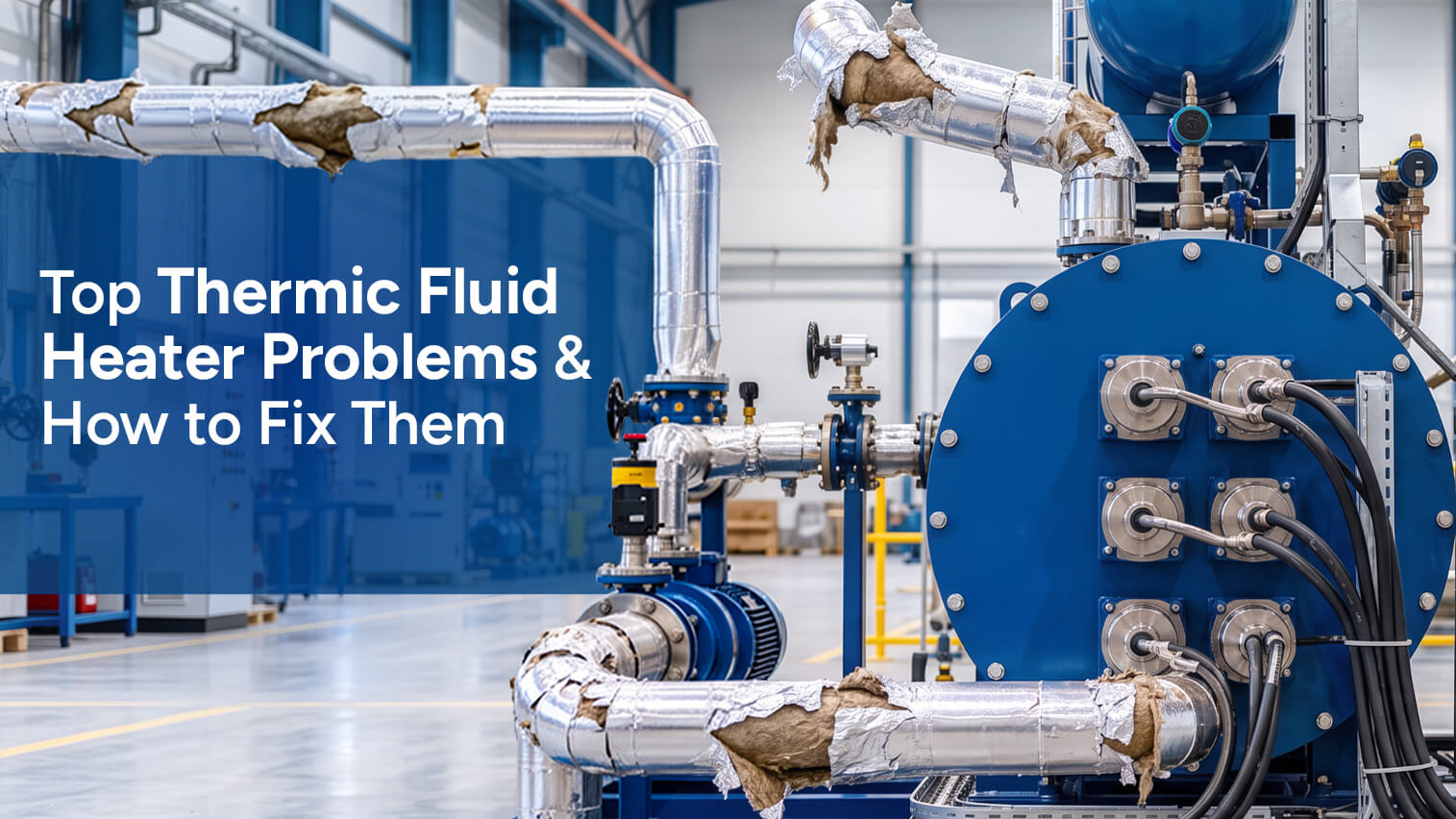
In high-temperature industrial surroundings, thermic fluid pumps are the foundation of thermal energy distribution. In industries like chemical processing, textiles, or food production, thermal energy distribution is used as an efficient alternative to steam-based heating.
However, maintaining a thermic fluid system requires precision. When issues arise, they don’t just affect temperature; they may threaten the safety of the facility and the durability of the machinery.
Understanding the root causes of pump failure is the first step towards operational efficiency. Often, the performance of the entire system depends on the health of the pump, which acts as the heart and brain of the circulation process.
Common Causes of Thermic Fluid Pump Problems
1. Thermal Cracking or Oil Breakdown
Oil Breakdown occurs when the fluid is heated beyond its maximum bulk temperature.
After the fluid overheats, there are formation of solid carbon deposits that coat the internal surfaces of the pump coils, acting as an insulator and forcing the burner to work harder.
The Fix: Tune the burner, and maintain a high flow rate. Use a robust pump to prevent the fluid from stagnating and overheating against the coil walls.
2. Oxidation or Sludge
Oxidation occurs when hot thermic fluid comes into contact with air, and it thickens into sludge
The sludge eventually increases the viscosity of the fluid, making it harder for the system to circulate, eventually putting strain on the motor and clogging internal components.
The Fix: Keep the system sealed from air; for that, implement a nitrogen blanketing system in the expansion tank. If the oil has already thickened, consult your thermic fluid pump manufacturers to verify if your equipment can handle the increased load.
3. Excessive Noise and Vibration
If you feel vibration in your thermal fluid pump, it indicates something other than oil is inside your pipes; generally, water or air bubbles.
Noise usually stems from two sources: water contamination or pump cavitation. Water in the fluid can lead to the formation of steam, causing spikes. Cavitation, on the other hand, occurs when the pump does not receive enough fluid at the inlet.
The Fix: The first step is to remove the moisture from the machine. Consult with your thermic fluid pump manufacturers to verify if your pump is sized correctly for your system’s current flow requirements.
4. Reduced Heat Transfer Efficiency
If your process is taking longer to reach the target temperature, it is often due to fouling.
Carbon deposits that have slowly accumulated on the pump coils act as a barrier to heat. The production slows, and ultimately, fuel costs rise as the heat finds it difficult to transfer efficiently into the oil.
The Fix: Clean the system using specialized chemical flushes to remove carbon buildup periodically. Ensure your Thermic Fluid Pump is operating at its rated capacity. A low flow can be the reason for this buildup.
5. Mechanical Seal Leaks
Thermic fluid is highly flammable when atomized. The points where parts connect are prone to leaking.
The high temperatures involved in these systems cause standard seals to degrade. If a seal fails, fluids leak and lead to a fire hazard and fluid loss.
The Fix: Use compatible mechanical seals designed for extreme heat service. Prioritize choosing the right equipment and regular maintenance. Reputable Thermic Fluid Pump Manufacturers like Mackwell provide specialized designs that prevent leaks even under intense thermal stress.
Conclusion: Prevention Through Precision
A thermic fluid pump is only as reliable as its weakest component. Monitor your Thermic Fluid pump and maintain the integrity of your oil; unplanned stops will be reduced, and the facility will stay protected. Partner with the network designed to keep you moving.
Frequently Asked Questions (FAQ)
Q1: How often should I check on my thermic fluid?
It is recommended to perform a yearly professional fluid analysis. This can help detect oxidation, cracking, and contamination before they cause machine failures.
Q2: What causes a Thermic Fluid Pump to fail early?
The common causes are cavitation, pump and motor misalignment, and contaminated fluid used to operate the system.
Q3: Why is my pump’s stack temperature too high?
A high stack temperature usually indicates that the heat is not being absorbed by the fluid. This is often caused by soot on the outside of the coils or coke buildup on the inside of the coils.
Q4: Can I mix different brands of thermic fluid?
Mixing fluids is generally discouraged. Different brands use different packages, and mixing them can lead to chemical instability, which may accelerate the degradation of the fluid and damage the pump.