

Complete Guide to Pumps Used in Ethanol Production
Operating an ethanol production facility involves managing volatile fluids, abrasive slurries and demanding process conditions. From handling abrasive grain corn slurries to transferring high-proof flammable ethanol through the process line, your system faces extreme mechanical stress every hour. If your fluid setup isn’t up to the mark, you are looking at sudden shutdowns, lost batches, and risky leakages.
Investing in a high-grade, durable pump for an ethanol distillery plant is one of the most important decisions for ensuring reliable operation and process efficiency. At Mackwell Pumps, we engineer industrial pumping solutions that eliminate these processing bottlenecks.
Why Standard Pumps Struggle in Ethanol Plants
Many facilities initially use pumps designed for general water applications, resulting in premature seal failure. Ethanol production involves special fluid dynamics that existing machinery can’t handle:
- Vapour Pressure Triggers: Alcohol boils at much lower temperature than water, creating volatile fumes that cause massive cavitation inside standard pump casings.
- Heavy Mash Solid Loading: Before it becomes alcohol, grain mash is thick, gritty and fibrous, accelerating wear on impellers and other wetted components on standard closed impellers.
- Corrosive Ferment Chemistry: As yeast converts sugars, it drops the pH level, turning the fluid highly acidic and accelerating corrosion of conventional cast iron components.
The Dynamic Trio: Mackwell’s Specialised Distillery Lineup
Mackwell offers dedicated pump series engineered for specific process applications across ethanol production. We built three completely distinct pump technologies, each designed to dominate a specific sector of your distillery layout.
MACKPRO™ Centrifugal Pump: The Mash & Slurry Beast
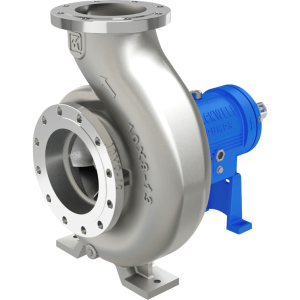
The front end of your plant (mashing, liquefaction, and slurry cooking) is rough on equipment. This is where our MACKPRO™ series is best suited.
- Design Framework: Fully meets and exceeds the rigid ANSI/ASME B73.1 standard.
- Hydraulic Design: Built with over 30 distinct open impeller hydraulic profiles, allowing high-solids slurries to pass efficiently while reducing the risk of clogging.
- Extreme Limits: Easily pushes fluids to temperatures up to +260 °C, with a maximum head capability of 223 meters.
Because the impeller is fully open, it prevents organic fibres from packing behind the shroud, .helping reduce maintenance requirements and improve operational reliability.
FLOWELL™ Centrifugal Pump: The Clean Spirit Specialist
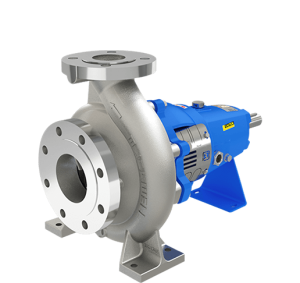
Once you move past distillation into evaporation, blending, and final storage, you are dealing with clean, low-viscosity, but highly volatile alcohol.
- International Framework: Designed strictly around ISO 2858 and EN 22858 frameworks.
- Massive Capacity: Handles large-scale transfers up to 1500 m³/h smoothly.
- Pressure Defence: Built to comfortably contain system pressures reaching up to 1600 kPa (16 bar).
We offer multiple mechanical seal configurations for the FLOWELL™ series. This ensures zero vapour leakage when handling high-proof, flammable ethanol streams.
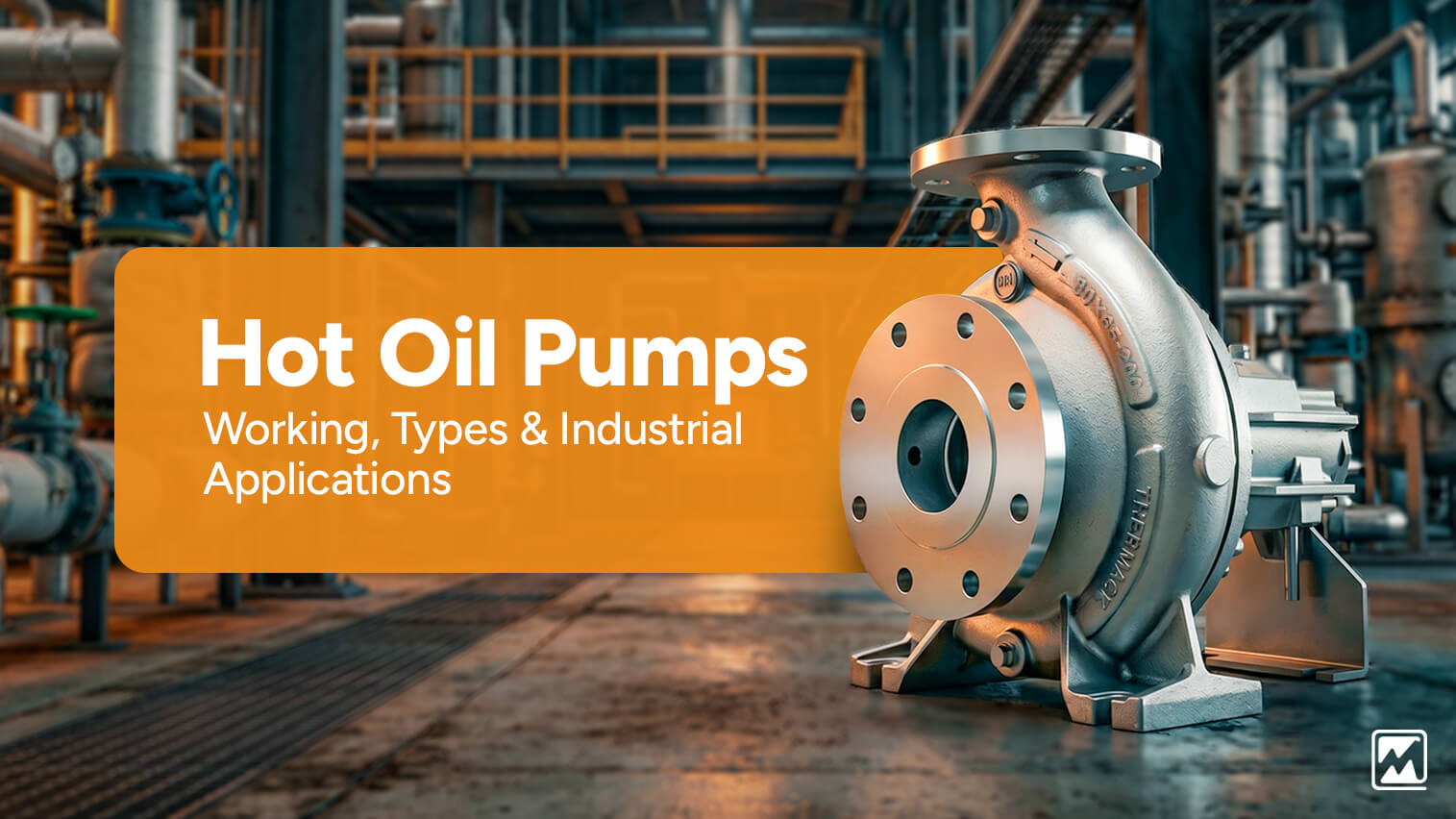
THERMACK™ Hot Oil Pump: The Distillation Column Heat Engine
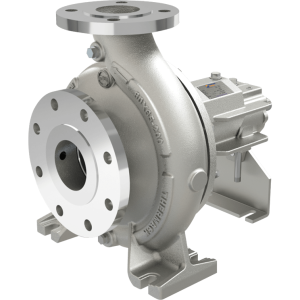
Distillation and molecular sieve dehydration demand massive, uninterrupted heat. Our THERMACK™ series maintains continuous circulation of thermal oils without needing any external cooling setup.
- Self-Cooling Design: Uses an internal natural convention system that drops the heat safely before it can damage the bearings or seals.
- Heat Endurance: Moves synthetic and mineral thermal fluids at scorching temperatures up to +350 °C.
- Flow Performance: Manages heavy-duty circulation rates up to 754 m³/h.
It makes your plant layout simpler and reduces your daily water footprint by eliminating the need for auxiliary cooling water piping.
Which Pump Belongs in Which Stage?
To make your selection process simple, here is a direct breakdown of where these mechanical workhorses fit inside your facility:
| Processing Zone | Fluid Condition | Ideal Mackwell Model | Key Benefit |
| Mashing & Liquefaction | Thick, abrasive grain solids | MACKPRO™ (ANSI B73.1) | Open impeller prevents clogs |
| Distillation Column Reboilers | Ultra-high temperature heat fluids | THERMACK™ (Self-Cooling) | Runs up to +350°C without external cooling |
| Final Blending & Storage | Clean, highly flammable ethanol | FLOWELL™ (ISO 2858) | Reliable vapor containment |
Vital Engineering Checks Before You Buy
To ensure your plant runs smoothly without frequent repairs, make sure your engineering team focuses on these technical points:
- Calculate the NPSHA Carefully: Because ethanol flashes into gas so quickly, your Net Positive Suction Head Available must always exceed the pump’s NPSH required (NPSHr) to avoid cavitation damage.
- Select the Appropriate Sealing Arrangement: For high-proof spirit lines, always opt for double mechanical seals with a pressurised barrier fluid system to completely minimise vapour leakage.
- Check the Metallurgy: Don’t settle for cheap materials. Use high-grade stainless steel or custom duplex alloys for your fermentation lines to fight off organic acid corrosion.
Conclusion
Selecting only leads to expensive downtime during peak processing months. Installing a purpose-built pump for an ethanol distillery plant protects your crew from leak hazards, supports reliable and efficient plant operation, keeps your production flow steady.
Let’s optimise your distillery layout together. Ask the engineering specialists at Mackwell Pumps for a detailed technical brochure or a tailored quotation based on your plant’s exact flow rates.
FAQ’s
1) Why are open impellers critical for grain mash pumps?
Closed impellers have tight internal tolerances that get clogged easily by grain fibres and corn grits. An open impeller design, like the one on our MACKPRO™ series, allows these thick solids to pass through without clogging the machinery.
2) How does the THERMACK™ series withstand +350°C without water-cooling?
It has a long structural design with a built-in convection venting zone. This area passively dissipates heat from the pump casing, maintaining bearings and mechanical seals within safe operating temperature without the need for external water loops.
3) Can I use the FLOWELL™ pump for high-viscosity distillation residues?
No. The FLOWELL™ series is custom-engineered for clean, low-viscosity fluids like pure ethanol, water or light chemical blends. For heavy stillage, slurries or thick residues the MACKPRO™ series is the more suitable choice.
4) What is the biggest risk of using a poorly sized pump for ethanol?
Because ethanol vaporises easily, an oversized or poorly calculated pump creates sudden internal pressure drops. This causes fluid to flash into gas bubbles that violently collapse, ruining your impellers and destroying your pump’s efficiency.